Poison Ivy Removal in Lancaster, PA
Poison ivy removal services focus on safely identifying and eliminating this invasive plant from residential properties. This service is often requested for projects involving overgrown yard areas, garden beds, wooded sections, or along fences and pathways where the plant poses a risk of skin irritation or allergic reactions. Property owners typically want to understand the scope of removal, including whether the roots and underground vines are also addressed, to prevent regrowth and ensure a safe outdoor environment.
Before requesting poison ivy removal, homeowners should consider the extent of the infestation and the location of the plants, especially near play areas, patios, or gardens. It is also important to clarify if the removal process includes disposal of the plant material and if any follow-up treatments are recommended to prevent future growth. Proper removal can help maintain a safe and healthy outdoor space, reducing the risk of contact with this irritating plant.
Many property owners in Lancaster, PA look into Poison Ivy Removal for repairs, replacements, upgrades, and appearance-related improvements.
Understanding Poison Ivy
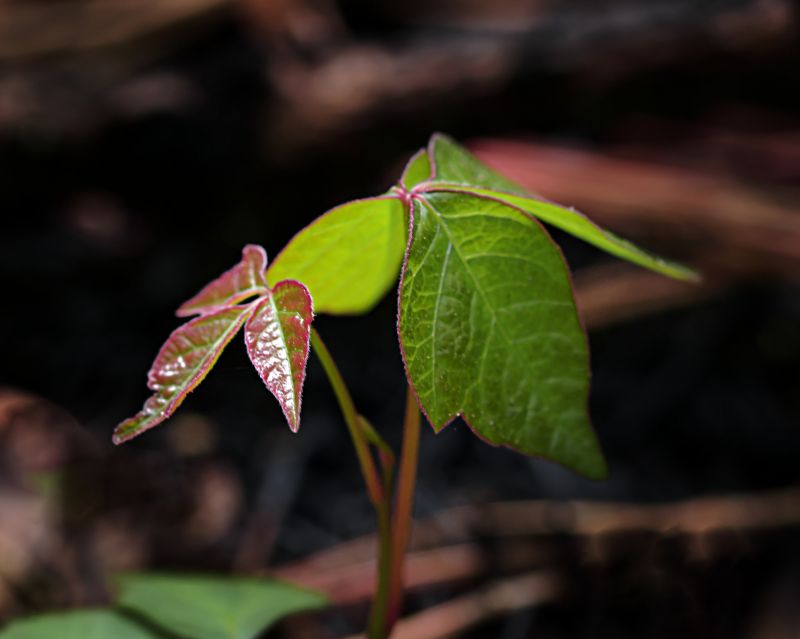
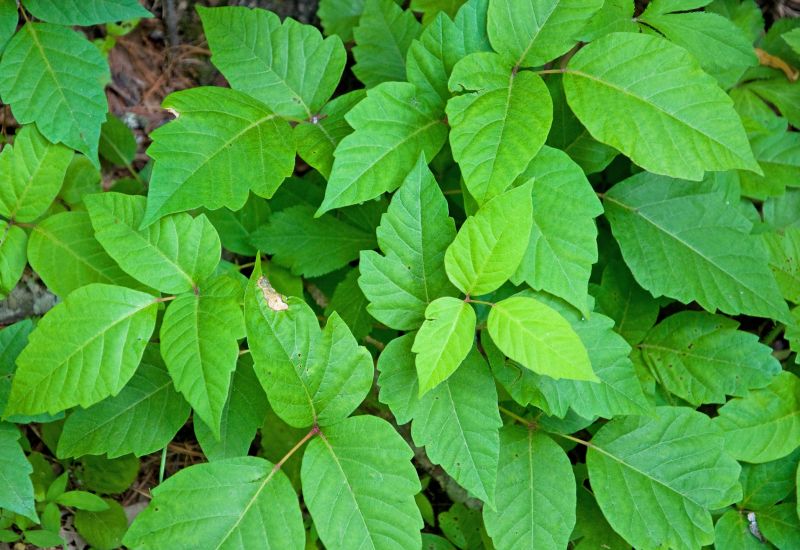
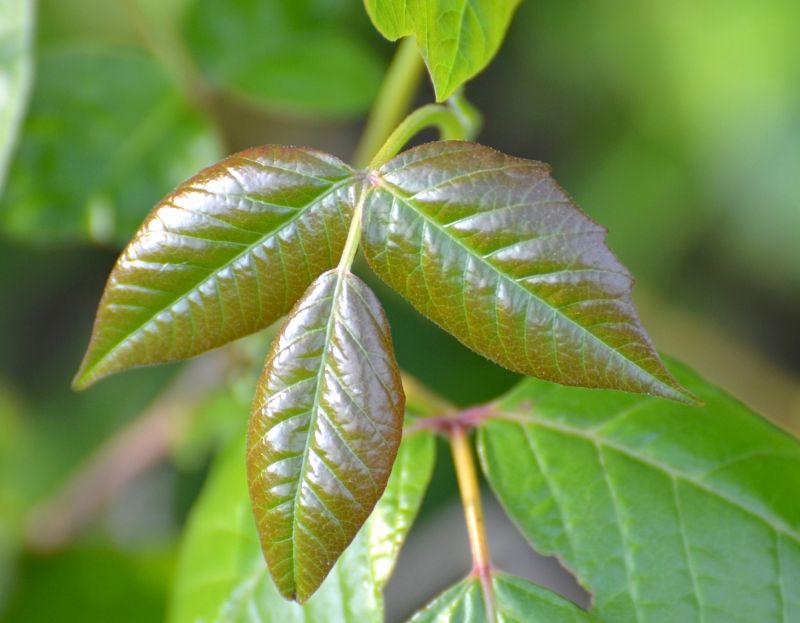
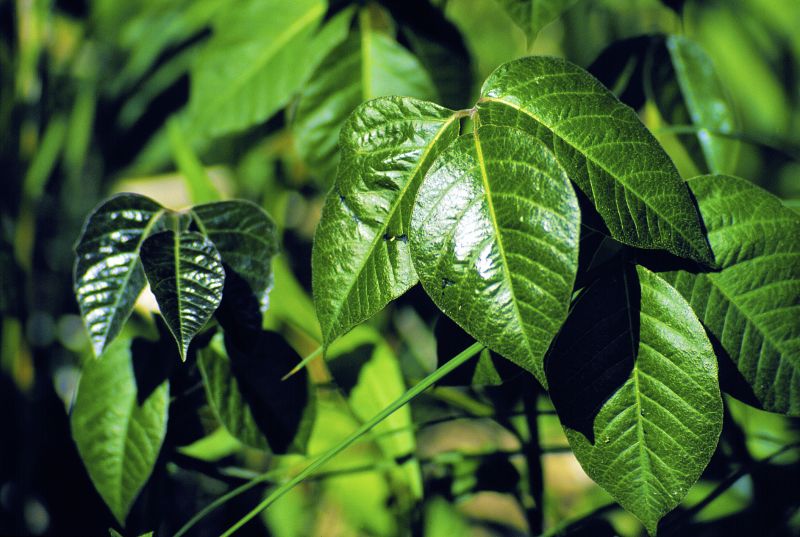
Poison ivy is a common plant that can cause skin irritation and allergic reactions.
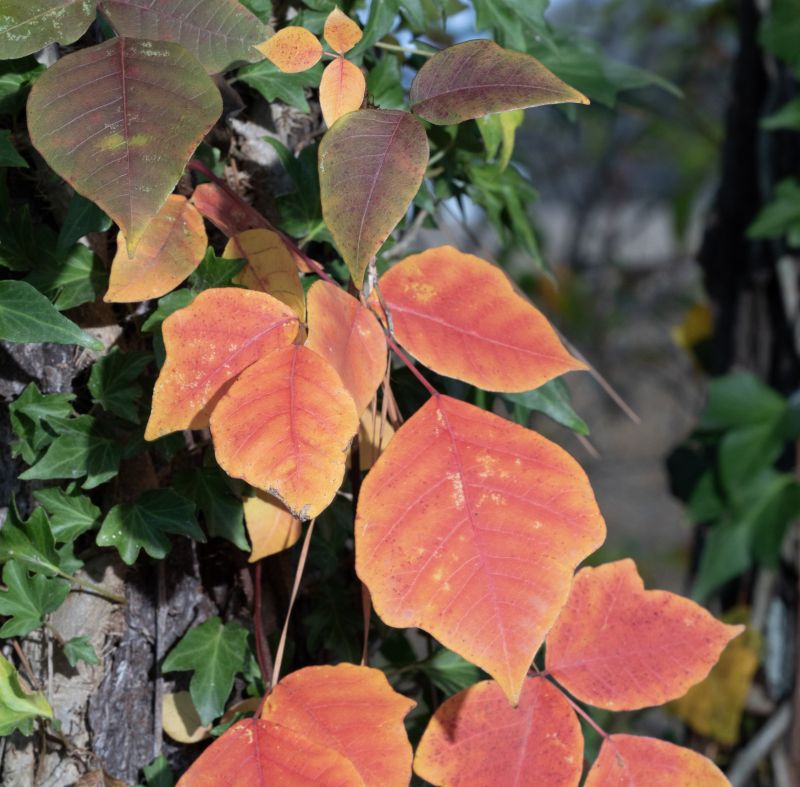
Signs Of Infestation
Identifying poison ivy growth on fences, trees, or ground cover helps prevent exposure.
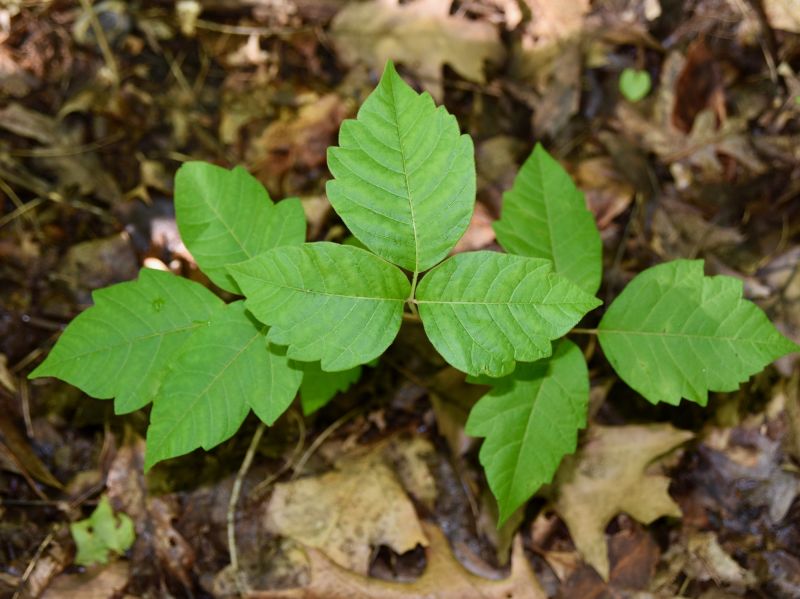
Removal Solutions
Professional removal involves safely eliminating the plants to protect property and health.
Poison Ivy Removal in Lancaster, PA
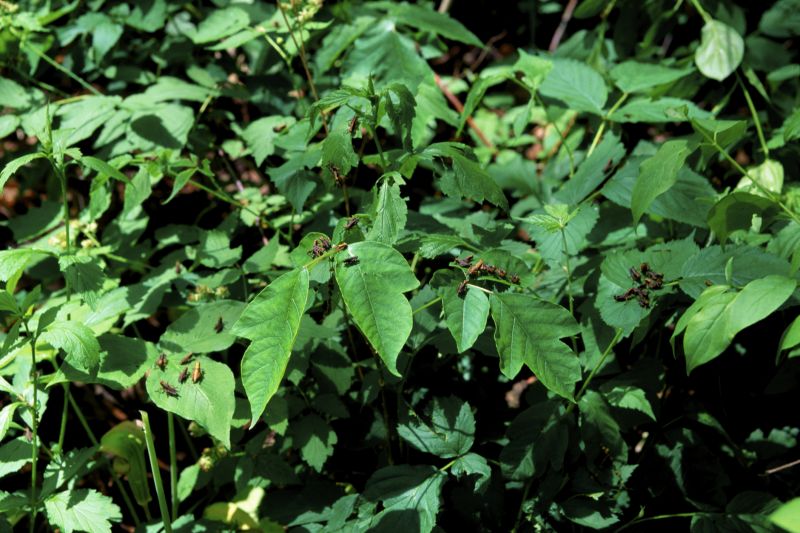
Poison ivy removal services focus on safely identifying and eliminating this invasive plant from residential properties. This service is often requested for projects involving overgrown yard areas, garden beds, wooded sections, or along fences and pathways where the plant poses a risk of skin irritation or allergic reactions. Property owners typically want to understand the scope of removal, including whether the roots and underground vines are also addressed, to prevent regrowth and ensure a safe outdoor environment.
Before requesting poison ivy removal, homeowners should consider the extent of the infestation and the location of the plants, especially near play areas, patios, or gardens. It is also important to clarify if the removal process includes disposal of the plant material and if any follow-up treatments are recommended to prevent future growth. Proper removal can help maintain a safe and healthy outdoor space, reducing the risk of contact with this irritating plant.
Many property owners in Lancaster, PA look into Poison Ivy Removal for repairs, replacements, upgrades, and appearance-related improvements.
Common Poison Ivy Removal Jobs
Poison Ivy Removal - safely eliminates invasive plants from yards and landscaping.
Yard Clearing - removes poison ivy from lawns, gardens, and wooded areas.
Property Maintenance - prevents regrowth by removing root systems and vines.
Landscape Clearing - clears overgrown areas affected by poison ivy growth.
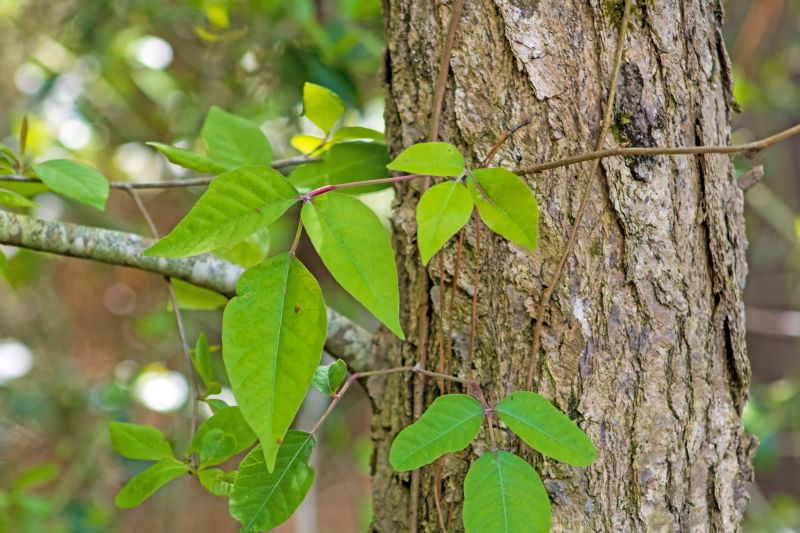
Vine and Brush Removal - targets poison ivy vines on trees, fences, and structures.
Hazardous Plant Removal - reduces exposure risks associated with poison ivy contact.
Poison Ivy Removal Questions
What is poison ivy removal? Poison ivy removal involves eliminating the plant from residential or commercial properties to prevent skin irritation and other health issues.
Why is professional removal recommended? Professionals are equipped to safely identify and remove poison ivy, reducing the risk of exposure and ensuring thorough clearance.
What areas are typically treated for poison ivy? Commonly treated areas include yards, gardens, fence lines, and around outdoor structures where the plant has grown.
How can property owners prevent poison ivy regrowth? Regular monitoring and maintenance help control regrowth, along with proper disposal of removed plants to prevent spread.
Request Poison Ivy Removal in Lancaster, PA
Use the quote form on this page to share the basics of your project and request more information for the type of work you need.